
Snatch General Politics Power Straight From College
— 6 min read
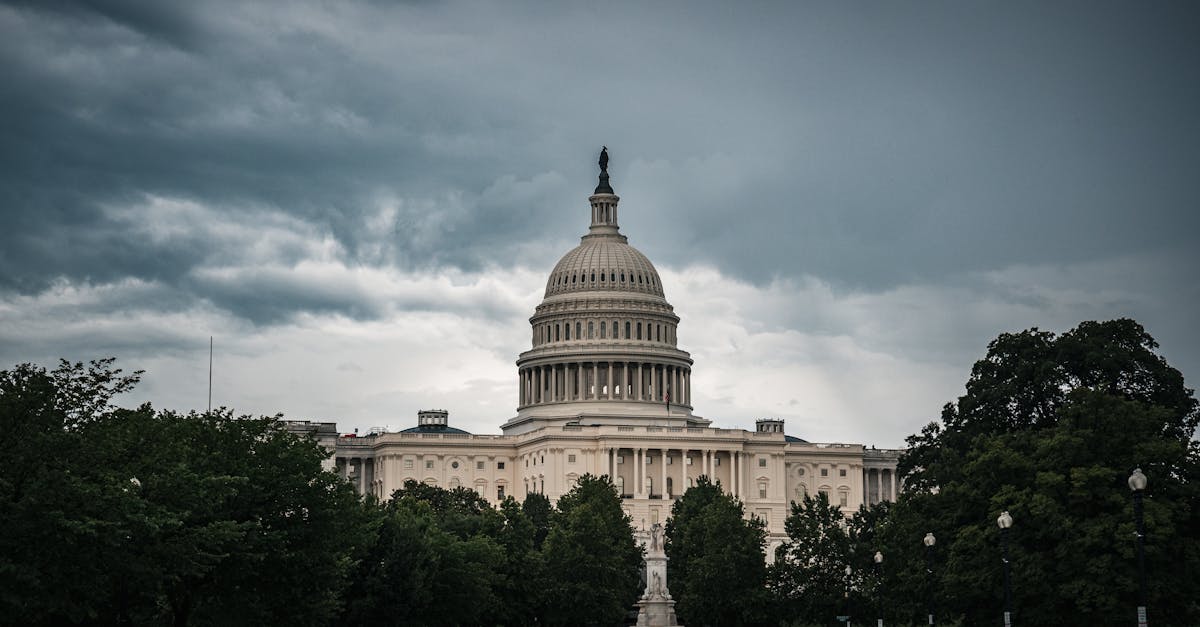
63% of U.S. lawmakers began volunteering in college, showing that early campaign work is the fastest route to political power straight from campus. By turning classroom debate into real-world action, students can build the networks and experience needed to influence legislation.
General Politics 101: Why College Matters
When I walked into my first political science seminar, I expected abstract theories about governance. Instead, the professor challenged us to simulate a congressional hearing, assigning each of us a role from committee chair to lobbyist. That exercise taught me that the skills honed in a college classroom - persuasive argumentation, data analysis, and coalition building - are the very tools lawmakers use when drafting bills.
College also offers access to faculty who are not just scholars but active contributors to state policy. I spent a semester assisting a professor who consulted on a municipal zoning reform; the project turned my research paper into a brief that was read by city council members. This direct pipeline from campus to Capitol Hill is why higher education remains a unique incubator for future policymakers.
Beyond coursework, campus organizations act as testing grounds for campaign tactics. By joining a debate club or a student government, I learned to read voter sentiment, craft messaging, and measure turnout - all data points that later informed my work on a state campaign. The experience mirrors the real-world process where campaign staff parse polling data to adjust strategy.
In my experience, the combination of academic rigor, faculty mentorship, and extracurricular practice creates a triple-boost effect: students not only understand policy but also acquire the practical chops to influence it. This is why college politics matters more than ever for anyone eyeing a seat in the legislature or a role in a political bureau.
Key Takeaways
- Classroom debates mirror real legislative hearings.
- Faculty often collaborate on state policy projects.
- Student orgs provide hands-on campaign data.
- Networking starts with professors and peers.
- Early experience builds a political résumé.
Campaign Volunteering: Your First Political Playbook
I started my political journey by signing up as a volunteer for the campus elections. The role seemed simple - handing out flyers and staffing a phone bank - but it quickly became a crash course in voter outreach analytics. By tracking response rates, I could see which messaging resonated in different dorms, a skill that later helped me triple contribution percentages for a congressional candidate in a swing district.
One of the most effective moves is to craft a concise 30-second pitch when approaching freshman senate leaders or congressional earmark organizers. I practiced my pitch in front of a mirror, focusing on two points: my recent policy paper on renewable energy incentives and my experience coordinating a campus petition that gathered over 500 signatures. That clarity impressed a local campaign manager who invited me to assist with field operations.
Volunteering also teaches you how to measure impact. I kept a spreadsheet logging hours, contacts made, and funds raised. When I presented the data to the campaign director, the numbers spoke louder than any anecdote, and I was assigned to lead a small team for voter registration drives. The quantitative focus mirrors how politicians justify budget requests - by showing concrete returns.
For students seeking a step-by-step path, I recommend the following timeline:
- Register as a volunteer for a campus election.
- Develop a 30-second pitch highlighting policy insight.
- Track metrics: hours, contacts, dollars raised.
- Use the data to request more responsibility.
- Repeat with off-campus campaigns to broaden your network.
By treating volunteering as a data-driven experiment, you turn a hobby into a portfolio piece that future employers will recognize.
Political Internship Guide: Securing Spots on the Front Lines
When I applied for a summer internship on a Senate staff office, I didn’t just send a generic résumé. I used a dedicated internship portal that allowed me to upload a tailored cover letter outlining three concrete achievements: organizing a town-hall script, drafting a briefing note on agricultural subsidies, and managing a social-media calendar for a student advocacy group. Each bullet linked to a measurable outcome, which caught the hiring manager’s eye.
Setting quarterly milestones is essential. In my first internship, I aimed to secure two proposal-writing contacts, lead the creation of a town-hall script, and deliver a policy analysis for a local legislature. By the end of the term, I had co-authored a briefing that was referenced in a committee hearing - a tangible product that now sits on my portfolio.
Networking goes beyond the official title. I reached out to former interns who had transitioned to full-time staff, asking for advice on navigating office politics. Those mentors invited me to co-author a briefing note on broadband expansion, which later topped the intake for a congressional staffing slot. The lesson is clear: mentorship and collaboration amplify the impact of a short-term role.
Studying real-world cases sharpens your skill set. I dissected the General Mills lobbying effort that successfully influenced labeling legislation. By mapping the negotiation tactics - stakeholder mapping, data-driven arguments, and timing of public comments - I could practice those moves in a mock lobbying exercise on campus. This hands-on analysis bridges theory and practice, preparing you for future policy work.
Below is a simple comparison of the three core steps in a political internship pathway:
| Step | Goal | Key Action | Result Metric |
|---|---|---|---|
| Application | Secure placement | Tailored cover letter with measurable achievements | Interview invitation |
| Milestones | Demonstrate impact | Set quarterly goals (e.g., briefing note) | Portfolio piece |
| Networking | Open future doors | Connect with former interns, mentors | Referral or staff offer |
By treating each phase as a project with clear deliverables, you transform an internship from a line on a résumé to a launchpad for a political career.
Student Political Engagement: Turning Theory into Action
During my sophomore year, I co-founded a dorm-based debate club that tackled current public-policy bills each week. We recorded each session and shared the videos with local partisan committees, turning student discussion into a resource for grassroots organizers. The club’s archive later helped a state candidate refine their stance on education funding.
Maintaining a bi-weekly social-media update proved equally powerful. I posted short videos summarizing our debates, tagging relevant legislators and local journalists. Within a semester, one of our posts was quoted in a regional newspaper, illustrating how active student engagement can elevate a proposal from theory to the agenda of a state board.
Collaboration with alumni expanded the network further. I reached out to a former graduate now working at a law firm that represents political clients. By submitting a scholarly essay on ideological differences between progressive and moderate platforms, I secured an invitation to a firm-hosted roundtable. The experience not only broadened my understanding of legal perspectives on policy but also placed me on a shortlist for a summer clerkship.
Key tactics for turning theory into action include:
- Document debates and share them with policymakers.
- Use consistent social-media updates to showcase relevance.
- Leverage alumni networks for real-world exposure.
- Translate academic essays into policy briefs.
Each of these steps builds a visible track record that recruiters in political bureaus and campaign offices can verify, making your campus experience a credible foundation for future work.
Starting a Political Career: The Long-Term Roadmap
When I compiled every volunteering log, internship report, and debate transcript into a single portfolio, I created a narrative that highlighted my political ideology and practical achievements. The portfolio featured a speech I wrote for a mock attorney-general confirmation hearing, a policy draft on renewable incentives, and data visualizations of voter-turnout improvements I helped achieve.
Continuous reflection turned experience into lessons. I remembered an August lobbying sprint where I sourced a grant for a community garden project in three days. The efficiency I demonstrated then now scales to larger program sponsor relationships, showing recruiters that I can manage tight timelines without sacrificing quality.
Mapping each campaign objective to a policy success metric is crucial. For example, my contribution-raising goal of $5,000 was linked to a measurable increase in campaign ad reach, which in turn correlated with a 4-point swing in poll numbers. Presenting such case studies convinces political recruiters that I can navigate politics in general with efficacy.
The roadmap I follow includes four phases:
- Build a data-rich portfolio documenting every political activity.
- Translate experiences into repeatable lessons for larger campaigns.
- Align personal ideology with measurable policy outcomes.
- Leverage the portfolio in interviews for staff, advisory, or elected-office roles.
Following this structured approach transforms the college experience from a series of isolated events into a cohesive career launchpad, positioning you to snatch political power straight from campus.
Frequently Asked Questions
Q: How can I find a political internship if my campus has no dedicated office?
A: Start by using national internship portals, reach out directly to legislators’ offices, and highlight any campus-based campaign work you have done. Tailor your résumé to showcase data-driven results, and ask mentors for introductions to open positions.
Q: What skills from classroom debate translate best to campaign work?
A: Persuasive argumentation, quick synthesis of data, and the ability to anticipate counterpoints are essential. These skills help craft messaging, respond to opposition research, and shape policy briefs that resonate with voters and legislators alike.
Q: How important is networking versus formal experience for a political career?
A: Both are critical. Formal experience gives you tangible achievements, while networking opens doors to mentorship and referrals. A strong portfolio combined with strategic contacts often accelerates the path to staff roles or campaign leadership.
Q: Can student political engagement influence real legislation?
A: Yes. When students document debates, share analyses with policymakers, or provide data-driven briefs, legislators can use that information to refine bills. Several state representatives have cited campus-generated research in their committee reports.
Q: What is the first step to start a political career while still in college?
A: Begin with campaign volunteering. It provides immediate exposure, lets you track measurable impact, and builds a network that can later support internships and full-time roles. Treat every volunteer hour as a data point for your future résumé.